QU013/KH0601 - Catalog Information
| Section | Information | ||||||||||||||||||||
|---|---|---|---|---|---|---|---|---|---|---|---|---|---|---|---|---|---|---|---|---|---|
| Statistics: |
|
||||||||||||||||||||
| QU013/KH0601 |  |
||||||||||||||||||||
| Pendant Pendant Sum | 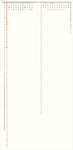 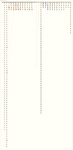 |
||||||||||||||||||||
| Indexed Pendant Sum | 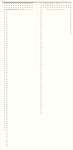 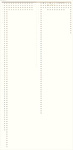 |
||||||||||||||||||||
| Colored Pendant Sum |   |
||||||||||||||||||||
| Subsidiary Pendant Sum |   |
||||||||||||||||||||
| Group Sum Bands |  |
||||||||||||||||||||
| Group Group Sum |  |
||||||||||||||||||||
| Ascher Decreasing Group |  |
||||||||||||||||||||
| DataFile: | QU013 |
||||||||||||||||||||
| Notes: | Ashok Khosla's Notes This khipu has some representational challenges. Parts A and B are tied together, so that A is reversed in direction from B. Kylie Quave chose to read A backwards, and I build on that, by rendering the new A forwards, and then B (ie. Flipping the original A, like Kylie did) and then attaching B. Kylie Quave's notes Khipu with two main cords and subsidiary cords Khipu was mounted to a poster board folded in half in a circle when it came to the museum in 1976. February 2006, removed from the board by John Dennis, Two main cords tied together. Were originally tied in a circle and placed on two pieces of posterboard, back to back. Either in order to fasten them this way or because they were fastened this way, there are two breaks in the original circle. Sometimes see other groups of khipu tied in circle, like group of 7 at Harvard Peabody Museum. Includes 4 scrap packages A = 9 fragments; B = 3 fragments; C = 3 fragments; D = 6 fragments The number of registers have been chosen to show the broad range of registers that can be interpreted on this piece. It seems more narrative in that respect since it falls out of a strict These 2 main cords are related -- they have similarities like the large groups of nulls, groups of 3-4 different colored strings repeated. There are some very faded sections of blues or greens. What was the original color like? Why have they faded? Main cord A is described as having mostly verso pendant attachments, but these are actually recto when khipu is reversed to face the correct direction. Possibility that some cords were lost where Main A is broken from being stretched over poster board. Loose cords were moved into labeled tissue envelopes 4/10/06. From groups 1 through 3, the the knotted cords come in groups of 10. |
||||||||||||||||||||
| Bibliography: |
Bibliography for QU013/KH0601:
|