KH0061/AS050 - Subsidiary Pendant Sums
Drawings:
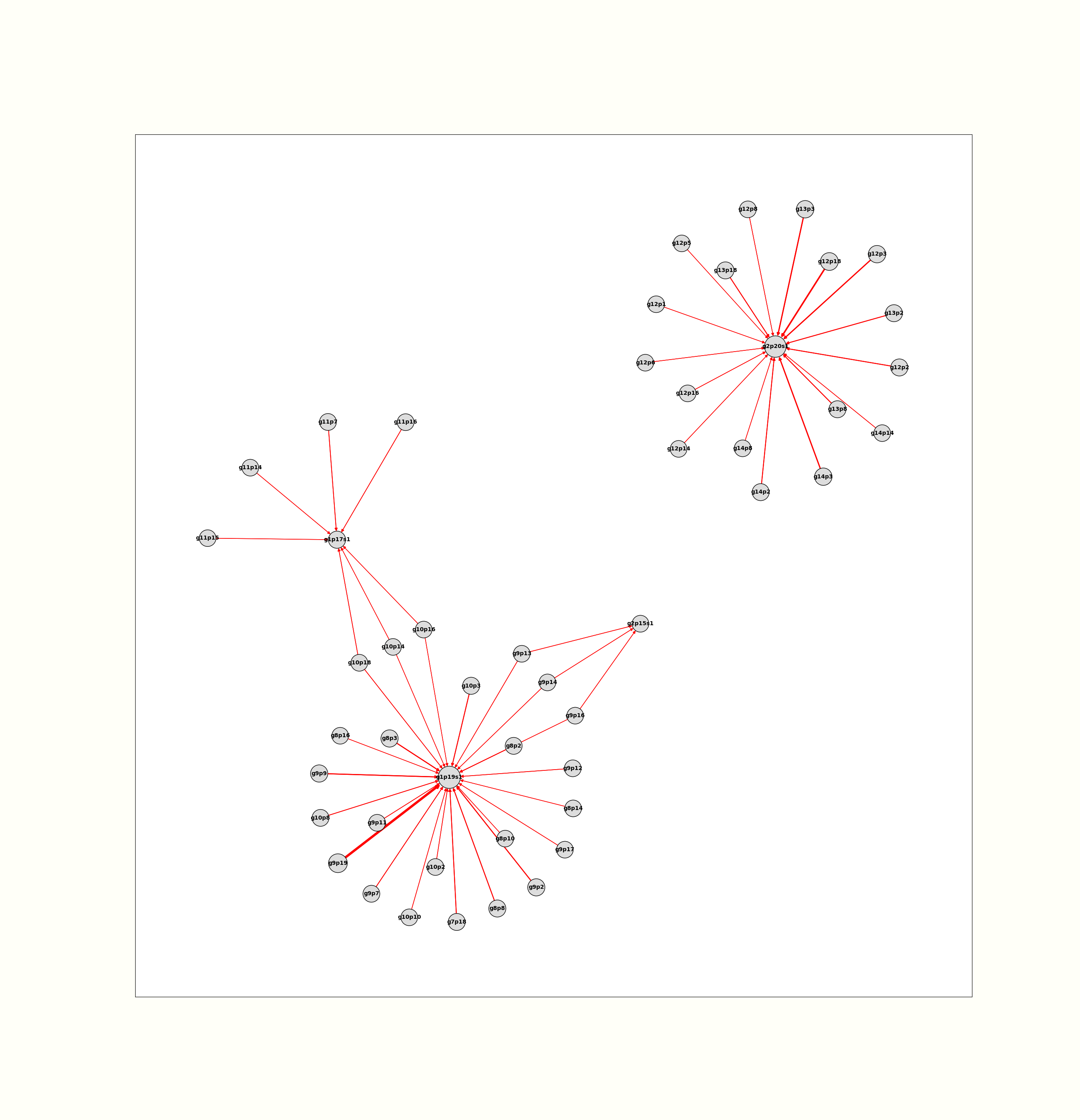
Sum NetGraph - Click on image to view larger
 |
Sum Map - Click on image to view larger
 |
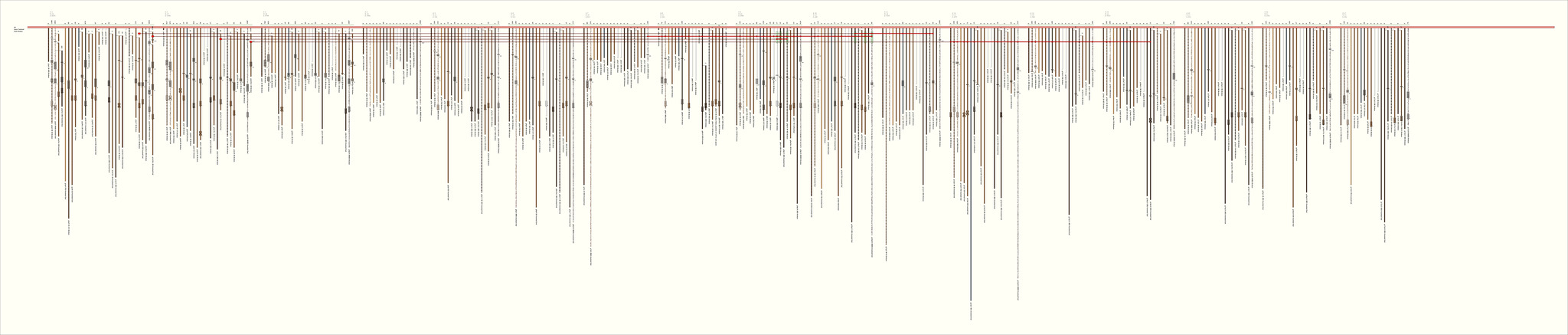
Sum Overlay: - Click on Image to View Large. Right-click and Save Image for Slide Presentations
Right Handed Sum Detail: - Click on column name to sort
| # | Color | Sum Schema | Sum Cord | Sum Cord Value | # Summands | Summands |
|---|---|---|---|---|---|---|
| 1 | 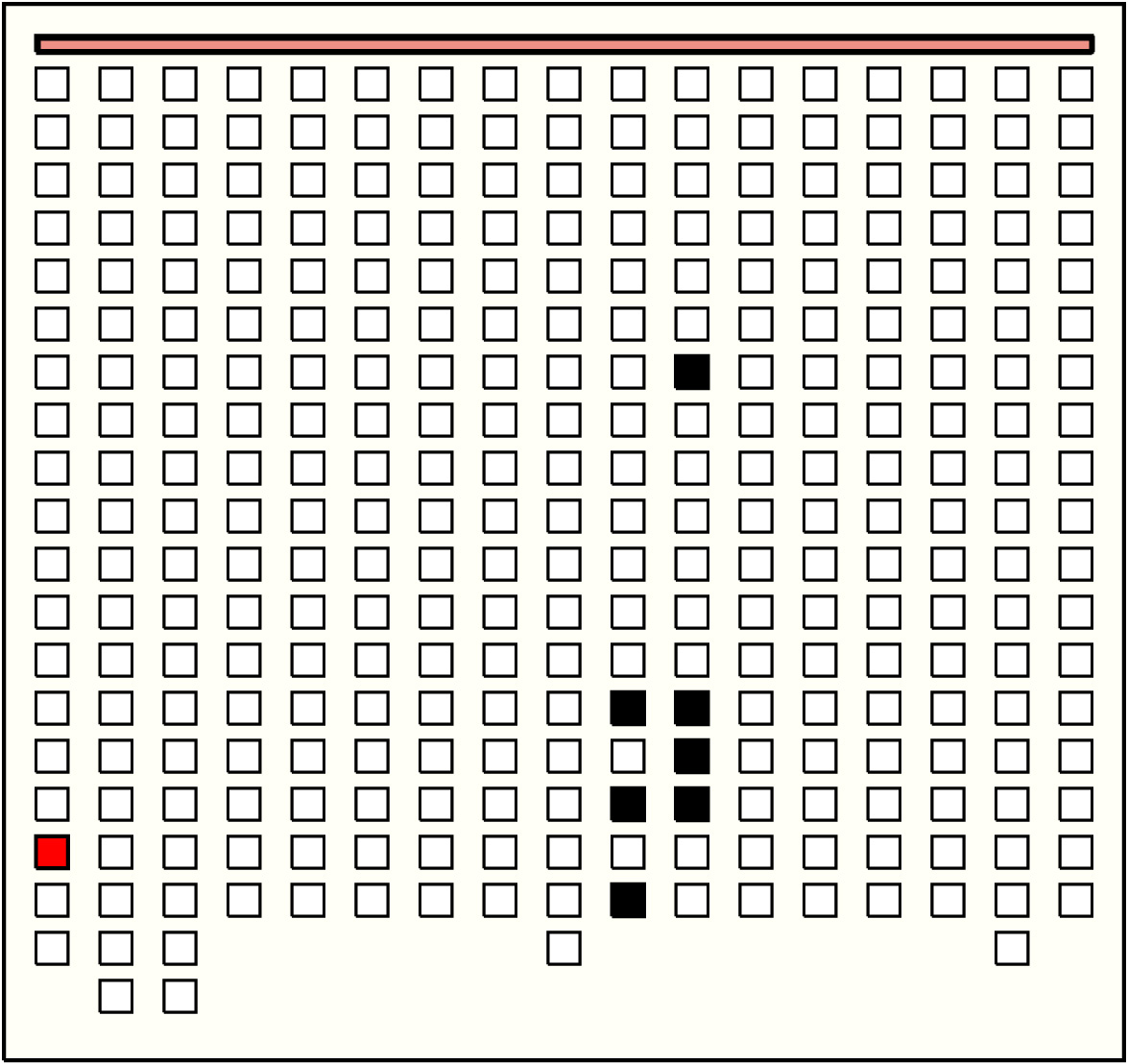 | g1p17s1 : 142B | 142 | 7 | g10p14: 2BD + g10p16: 5B + g10p18: 30W:BD + g11p7: 60BG + g11p14: 10BD + g11p15: 5W-BD + g11p16: 30B | |
| 2 | 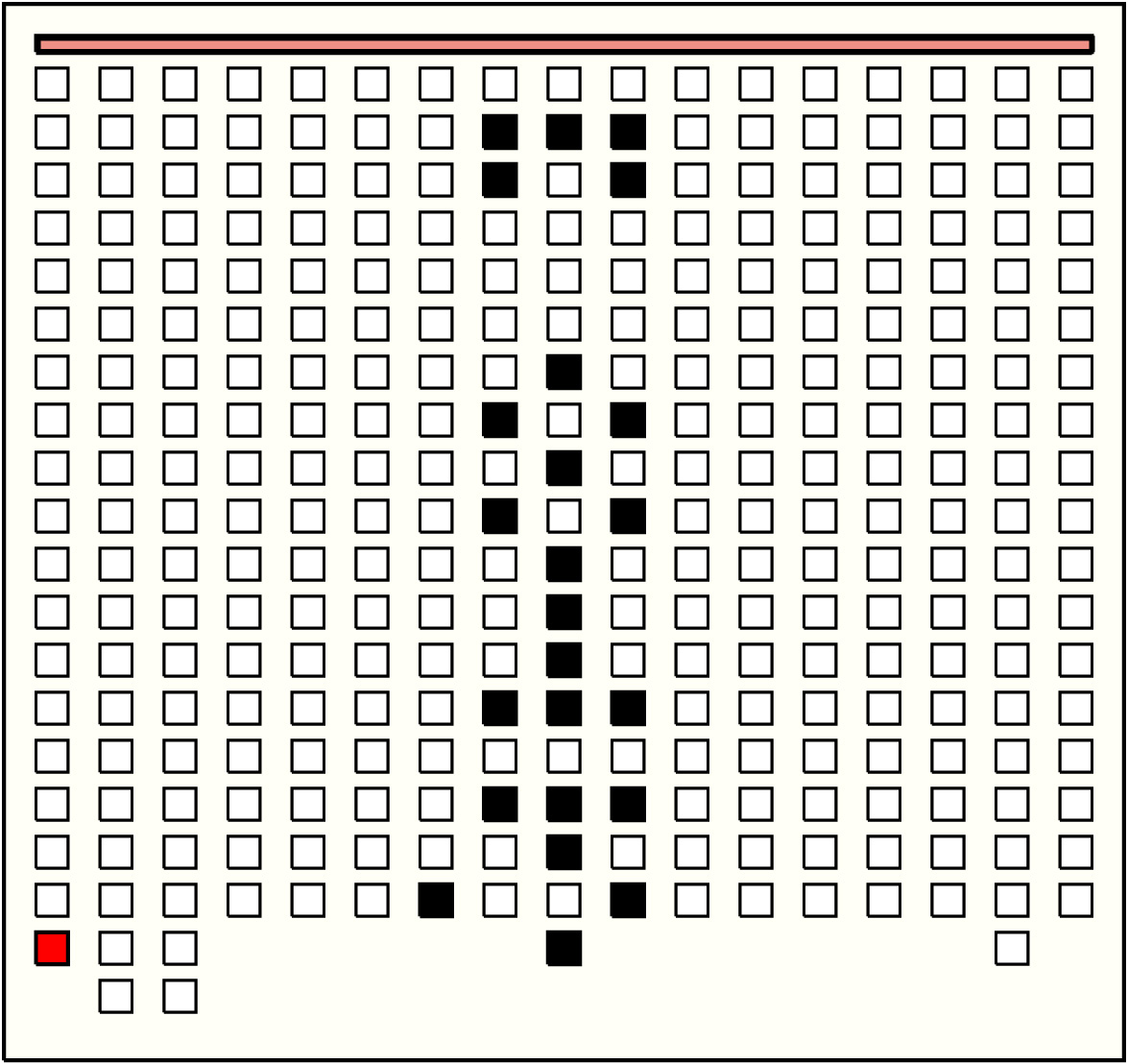 | g1p19s1 : 1766B | 1766 | 24 | g7p18: 100W:BD + g8p2: 70W-B + g8p3: 152W:B + g8p8: 109GY + g8p10: 2B + g8p14: 5BD + g8p16: 4B + g9p2: 141W-B + g9p7: 60W + g9p9: 154GY + g9p11: 29B + g9p12: 30W + g9p13: 17W + g9p14: 12BD + g9p16: 10W-BD + g9p17: 13B + g9p19: 618W:BD + g10p2: 22W-B + g10p3: 110W:B + g10p8: 57GY + g10p10: 14B + g10p14: 2BD + g10p16: 5B + g10p18: 30W:BD | |
| 3 |  | g2p15s1 : 39B | 39 | 3 | g9p13: 17W + g9p14: 12BD + g9p16: 10W-BD | |
| 4 |  | g2p20s1 : 1500B | 1500 | 17 | g12p1: 5B-BD + g12p2: 104W-B + g12p3: 203W:B + g12p5: 1B + g12p6: 11B + g12p8: 15GY + g12p14: 10BD + g12p16: 20B + g12p18: 310W:BD + g13p2: 100W-B + g13p3: 200W:B + g13p8: 100GY + g13p18: 100W:BD + g14p2: 100W-B + g14p3: 200W:B + g14p8: 10GY + g14p14: 11BD❽ |
Khipu Notes:
Ascher Databook Notes:
- By spacing and color patterning, the khipu is separated into 3 parts : part 1 is 3 groups, and parts 2 and 3 are 7 groups each.
- Part 1: Assuming that position 10 in group 1 is non-existent, this part consists of 3 groups of 20 pendants each. The color pattern is the same for all 3 groups (with the exception of position 17 in group 3). In all 3 groups, subsidiaries appear only in positions 3, 8,9, 11, 14, 15, 16, 18, 19, 20.
- Parts 2 and 3:
- Each part is basically 7 groups of 18 pendants. The exceptions of 2 groups with 19 pendants are systematic. The 6th group in each part has an additional W pendant between positions 7 and 8.
- Each group in parts 2 and 3 has the same color pattern (with the exception of position 8 in groups 4 and 5 and position 18 in group 4). The color pattern is the same as in part 1 with the systematic difference that positions 5 and 8 of the part 1 pattern do not exist. Thus, there are 18 pendants in each group in parts 2 and 3 as compared to 20 pendants in each group in part 1. Also, while the color in position 19 of the groups in part 1 are B, in parts 2 and 3, the comparable position is BD.
- Subsidiaries on pendants in parts 2 and 3 are on a subset of the positions they are on in part 1. Namely, subsidiaries are only on positions comparable to positions 9,15,16,18,20 of part 1.
- Many values are uncertain due to breakage. However, we hypothesize that, position by position, values in group 1 of part 1 are related to the sums of values in groups 2 and 3 while values in groups 2 and 3 are related to sums of values in parts 2 and 3 respectively.